Crisscross Namibia Safaris
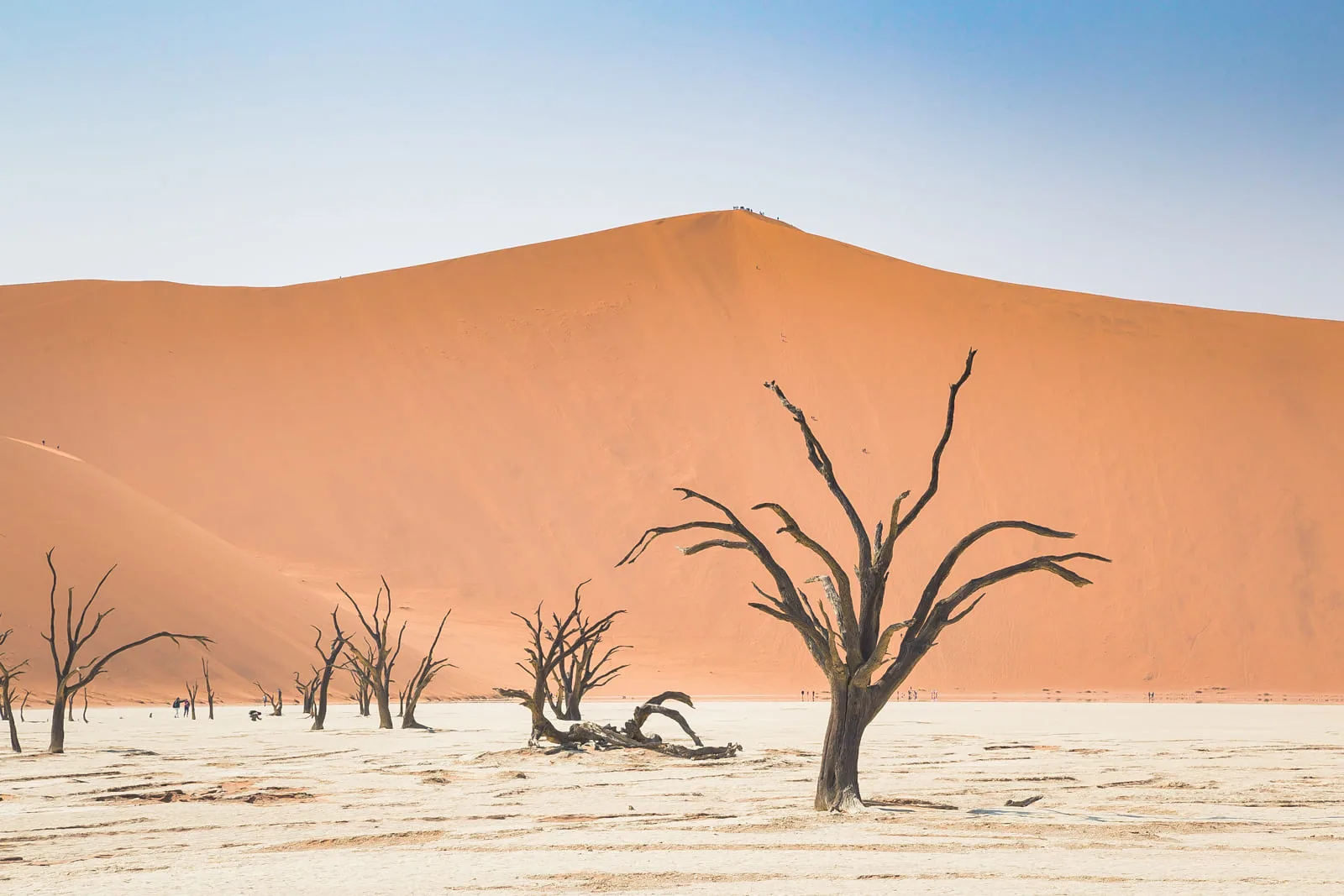
Towering red sand dunes at Sossusvlei in the Namib Desert, Namibia, at sunrise

Thirty destinations, five countries

Where a Crisscross safari can take you

Namibia first — its pans, dunes and desert coast — then Botswana’s waterways, Victoria Falls, and the great parks of Kenya and Tanzania.

Browse by country

Start here

Southern Africa

Namibia

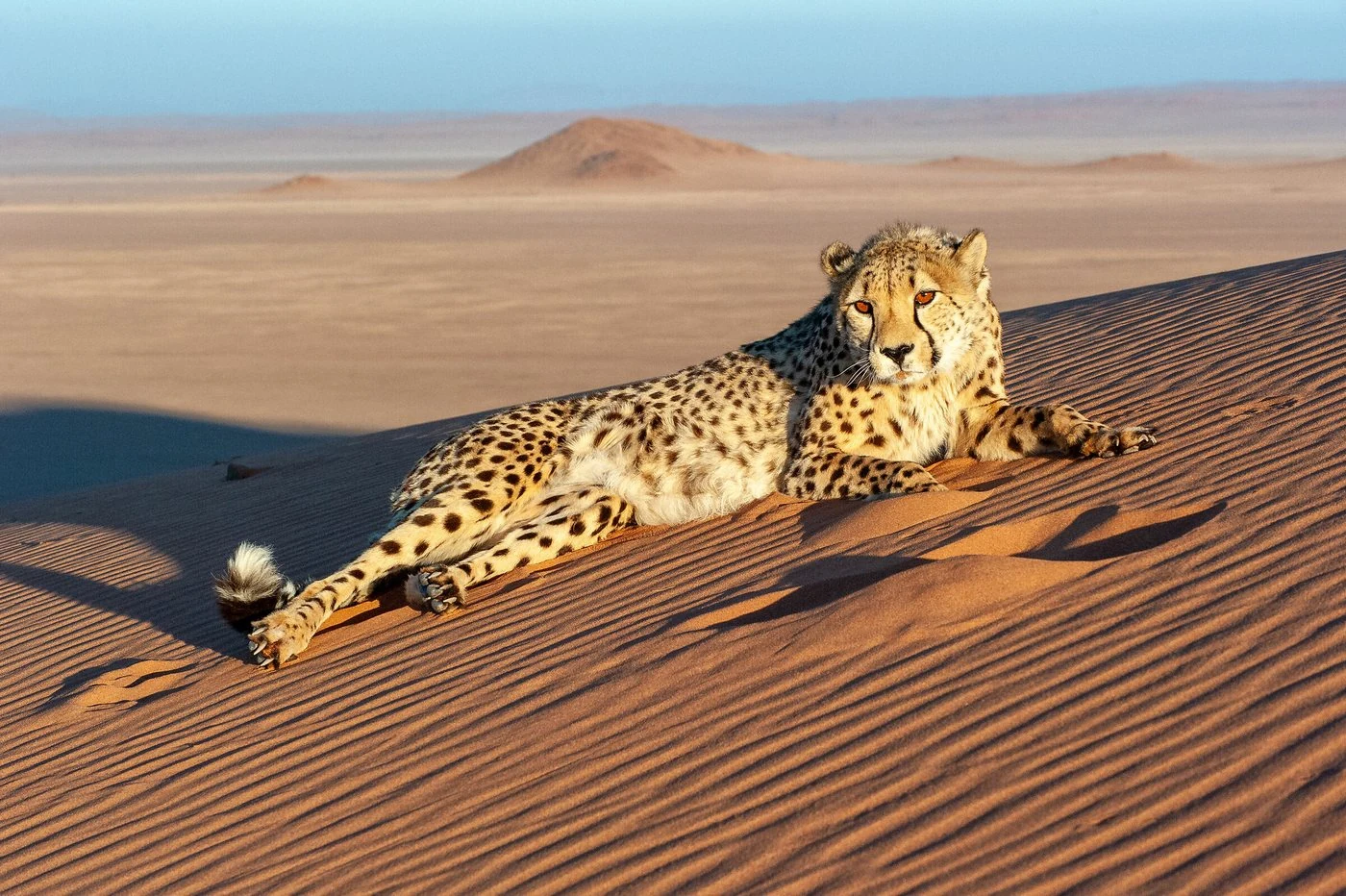
A cheetah resting on a red sand dune in Namibia

Namibia Safari

Southern Africa

Namibia is a country in southwestern Africa, bordered by Angola to the north, Botswana to the east and South Africa to the south, with a coastline on the Atlantic Ocean. It is known for stark, varied landscapes — the dunes of the Namib, the wildlife-rich Etosha Pan, the rugged mountains of Damaraland and the fog-bound Skeleton Coast — and for a rich cultural heritage that includes the San, Himba and Damara peoples.

Crisscross is a Namibian company, and Namibia is the heart of its safari offering. Its journeys here are private and tailor-made, built around the classic circuit of Etosha, Damaraland, Swakopmund, Sossusvlei and the Kalahari, with stays at lodges such as Mount Etjo Safari Lodge, Onguma, Le Mirage Resort & Spa and Bagatelle Kalahari Game Ranch. Tours run from seven to twenty-four days, guided or self-drive, and every route is planned around the individual guest rather than a fixed departure.
See Namibia safaris
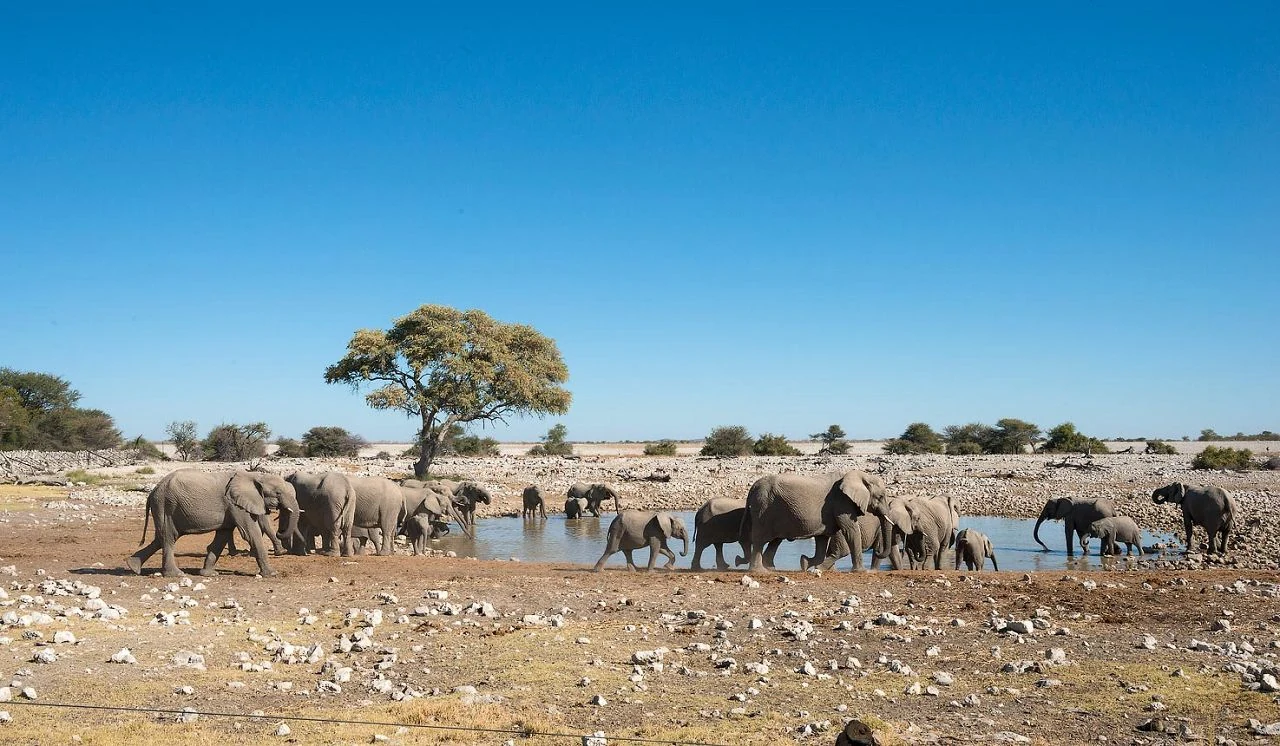
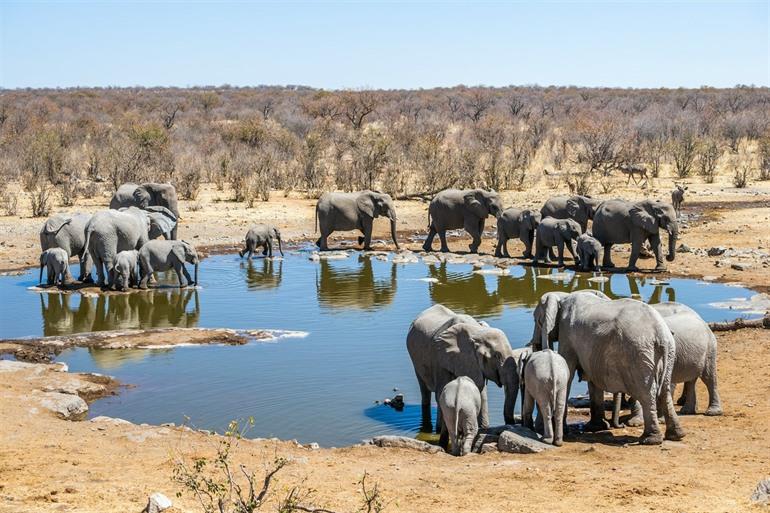
A herd of elephants drinking at a waterhole in Etosha National Park, Namibia

Etosha Safari

Northern Namibia

Etosha National Park in northern Namibia is built around a vast salt pan so large it can be seen from space. In the dry season, wildlife gathers at the waterholes around the pan’s edges — elephants cloaked in white Etosha dust, lions, giraffes, zebras, rhinos and leopards among them. Four of the Big Five are present here; only the buffalo is missing. The park’s epic waterholes, watched patiently, are where much of the action unfolds.

Etosha anchors most Crisscross Namibia safaris. Guests explore on full-day guided game drives between the waterholes, staying just outside the gates at lodges such as Mokuti Etosha Lodge in the east or Etosha Safari Lodge in the west, or on the private reserves that border the park. Because each Crisscross journey is private, the day is shaped around the sightings — lingering at a waterhole when lions are near, rather than moving on to keep a schedule.

See Etosha safaris
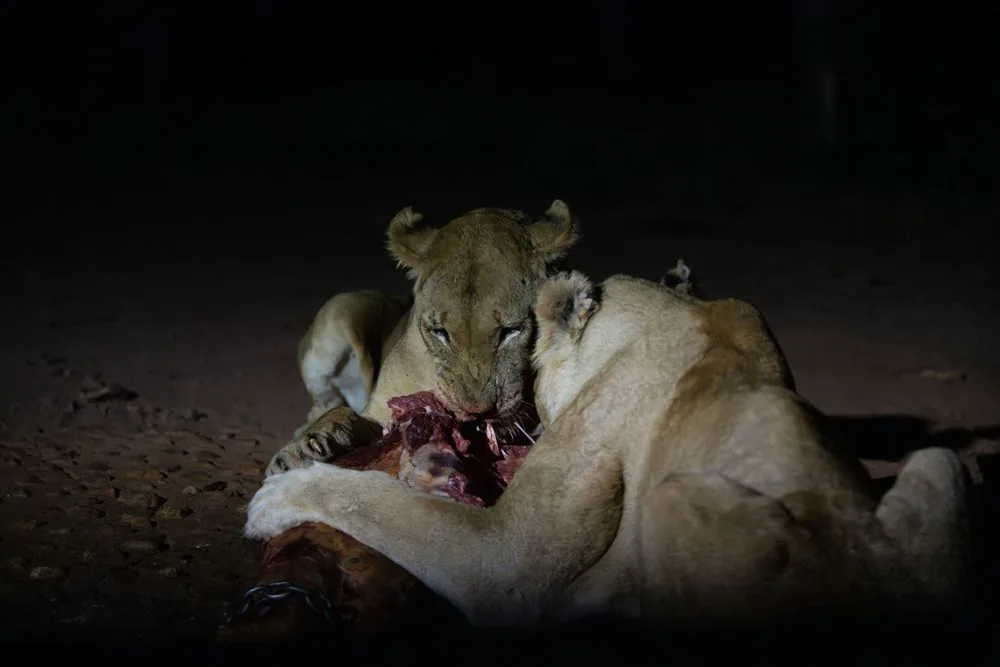
A lioness feeding at night, lit by spotlight at Mount Etjo, Okonjati Game Reserve

Okonjati Safari

Okonjati Game Reserve · Central Namibia

The Okonjati Game Reserve in central Namibia is one of the first private game reserves established in the country, founded by Jan Oelofse. Its 36,000 hectares of bushveld offer sanctuary to more than 8,000 mammals, and its lodge waterhole draws game throughout the day. A signature experience here happens after dark: watching lions feeding from a permanent blind at 9:15 pm.

For many Crisscross guests, Okonjati is where the safari begins — the first stop out of Windhoek on the classic northern circuit. An afternoon game drive in an open-sided 4×4 introduces Namibia’s antelope, giraffe and rhino, with Mount Etjo Safari Lodge as the base, its waterhole in front of the lodge and over 8,000 animals on the reserve. It features on the 10-day, 12-day, 17-day and Highlights journeys, as a gentle, wildlife-rich start before Etosha.

See Okonjati safaris
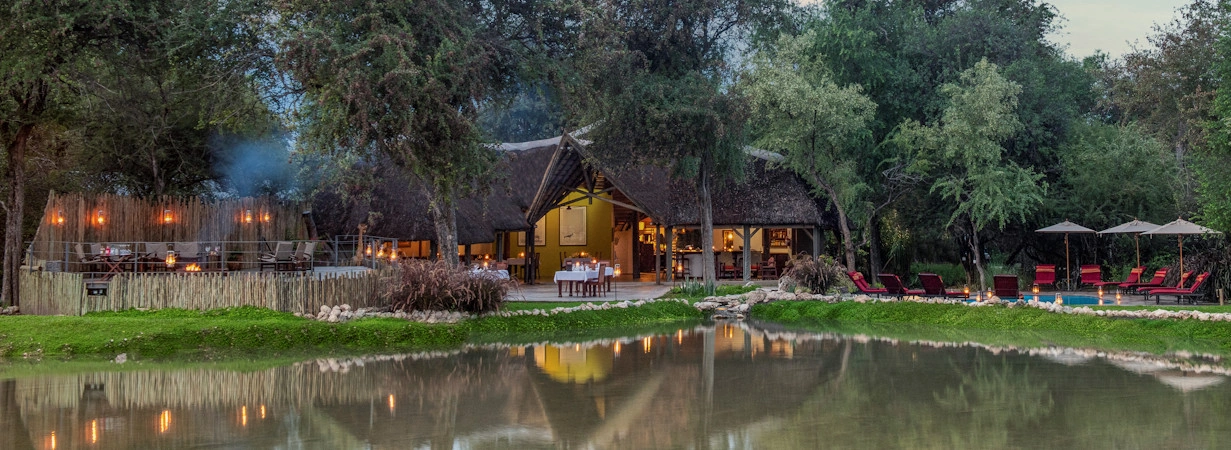
Onguma Forest Camp — the thatched main lodge, boma and pool seen across the camp waterhole at dusk

Onguma Safari

Private reserve · Etosha’s eastern border

Onguma is a private game reserve of more than 34,000 hectares on the eastern border of Etosha National Park, by Fisher’s Pan. It holds the same animals Etosha offers — lion, elephant, rhino, giraffe and abundant plains game — but is experienced more exclusively, without the crowds of the national park itself. Its Onkolo Hide puts guests at eye level with game coming to drink.

Crisscross uses Onguma as an Etosha base with a private-reserve character: game drives on the reserve, sundowner drives, interpretive bush walks and evenings at the hide, combined with full days inside Etosha exploring its waterholes. Stays range from Onguma Forest Camp and the luxury Onguma Tented Camp to The Fort and the ultra-exclusive Onguma Camp Kala on the fly-in safari. A traditional bush dinner under the stars is a feature of several Crisscross itineraries here.

See Onguma safaris
A herd of elephants drinking at a waterhole on the Ongava–Etosha border under a camelthorn tree

Ongava Safari

Private reserve · Etosha’s southern border

Ongava is a private game reserve adjoining the southern border of Etosha National Park. Crisscross describes it as Etosha in miniature — the same landscapes and many of the same animals, including lions and rhinos, with none of the crowds. Game viewing moves between drives on the reserve itself and excursions into the national park next door, with guided nature walks as an alternative way to experience the bush.

On Crisscross journeys Ongava is a luxury Etosha address. The 14-day Private Namibia & Zimbabwe Safari stays at Ongava Lodge, with nature walks, game drives and night drives included, while the 7-day Luxury Namibia Fly-In Safari uses Little Ongava — described on the site as arguably Namibia’s most luxurious accommodation — with a luxury suite looking out across the Ongava plains. It pairs naturally with Onguma, on Etosha’s eastern side, for guests crossing the park.

See Ongava safaris
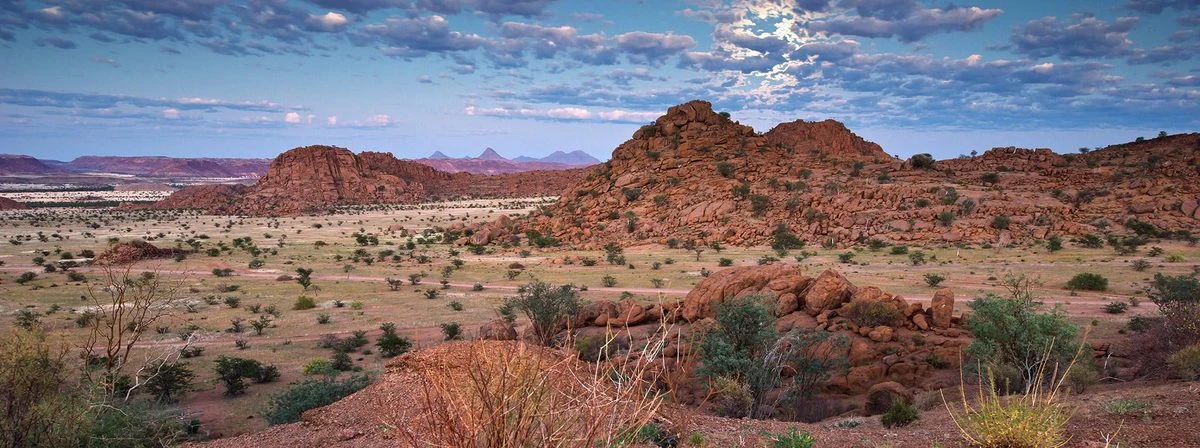
Red granite hills and an open valley in Damaraland, Namibia

Damaraland Safari

Kunene Region · North-western Namibia

Damaraland, in Namibia’s Kunene Region, is a rugged landscape of brown mountains, dry river valleys and open desert plains. It shelters numerous prehistoric rock art sites, most famously the engravings at Twyfelfontein, a UNESCO World Heritage Site, alongside the Burnt Mountain and the Organ Pipes. Its river valleys are home to desert-adapted elephants, giraffes, rhinos and even lions, and it is also a place to meet Namibia’s cultures, at the Damara Living Museum and the Himba village at Otjikandero.

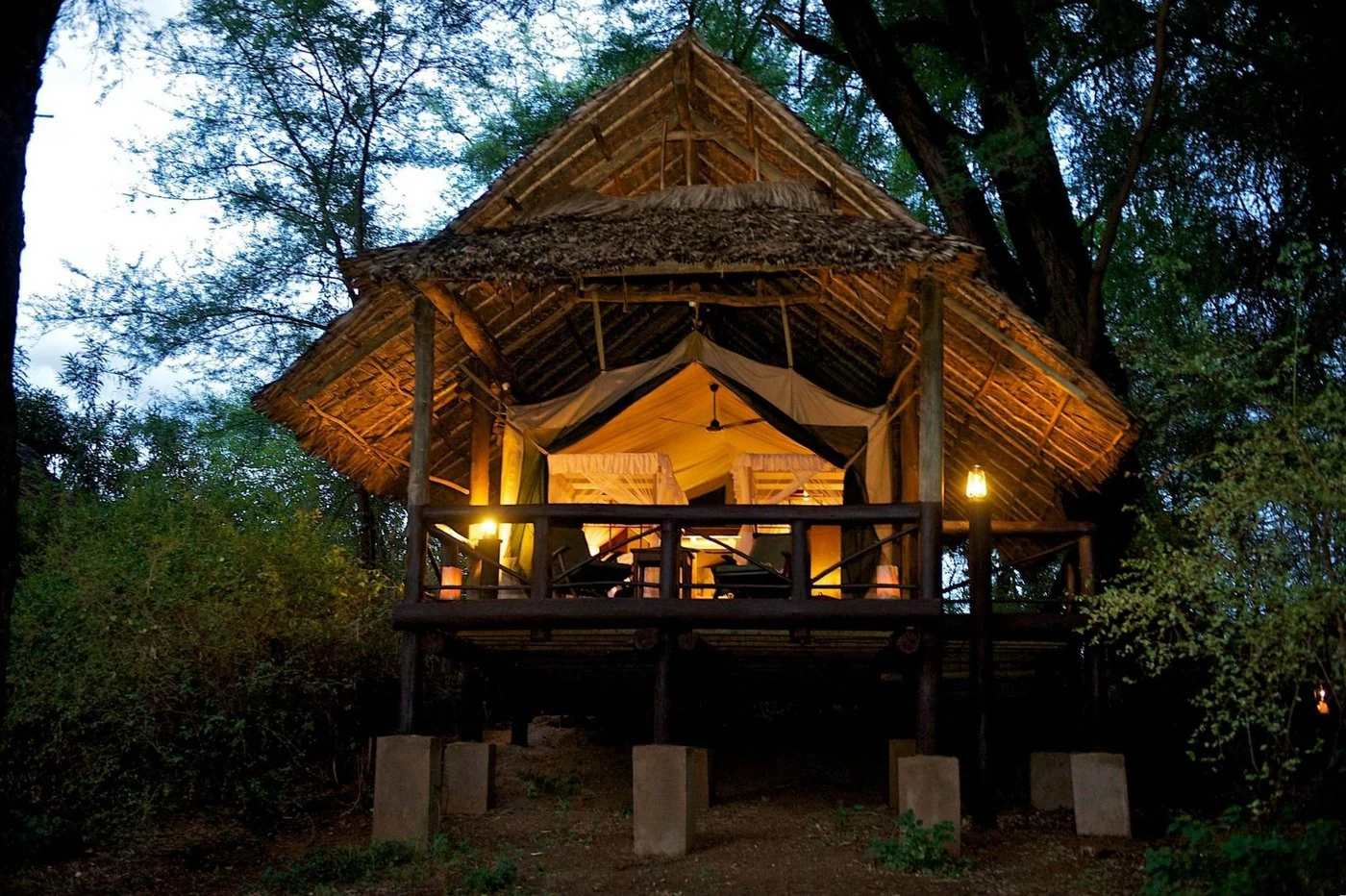
Crisscross builds Damaraland into nearly every Namibia journey, usually for two nights. Days are spent off-road in the Huab River bed in search of desert-adapted elephants, visiting Twyfelfontein and the Living Museum, and taking sundowners on the Grootberg plateau above the Klip River Valley. Guests stay at Grootberg Lodge, Mowani Mountain Camp or Twyfelfontein Country Lodge, the closest accommodation to the engravings.

See Damaraland safaris
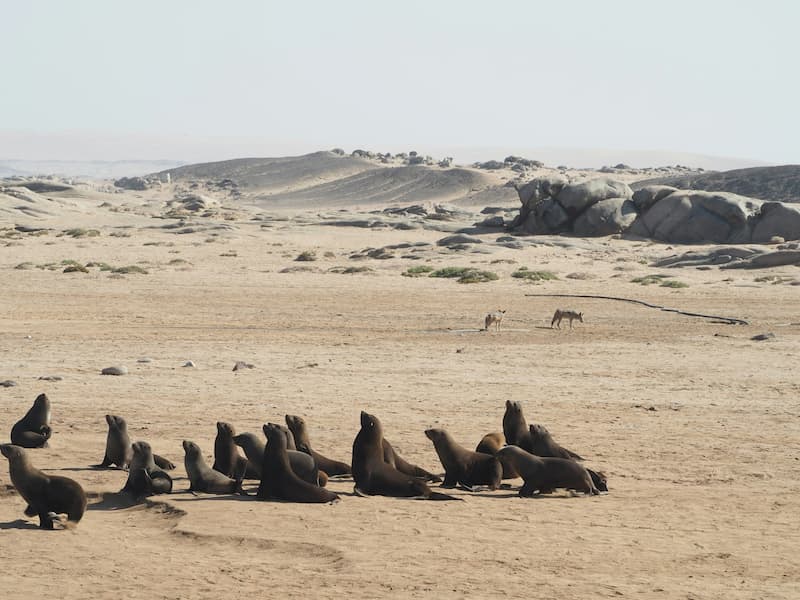
Cape fur seals and a black-backed jackal on the beach in Skeleton Coast National Park

Skeleton Coast Safari

Atlantic Coast · Namibia

The Skeleton Coast is Namibia’s Atlantic shoreline — a region of rocks, fog, shipwrecks and desolation, washed by the cold Benguela Current, where crashing waves meet seas of sand dunes. It has long been called the forbidden coast. At Cape Cross, a colony of more than 200,000 Cape fur seals crowds the shore, watched by kelp gulls, black-backed jackals and brown hyenas. Desert lions and elephants also survive in this harsh coastal wilderness.

Crisscross journeys meet the Skeleton Coast in two ways. Road safaris enter Skeleton Coast National Park through the Springbokwasser Gate, stopping at Cape Cross and at a shipwreck on the way to Swakopmund. The Luxury Namibia Fly-In Safari goes deeper, staying at the gloriously remote Hoanib Skeleton Coast Camp, where nature drives explore the Hoanib Valley and the silence and stars are, in the site’s words, incredible.

See Skeleton Coast safaris
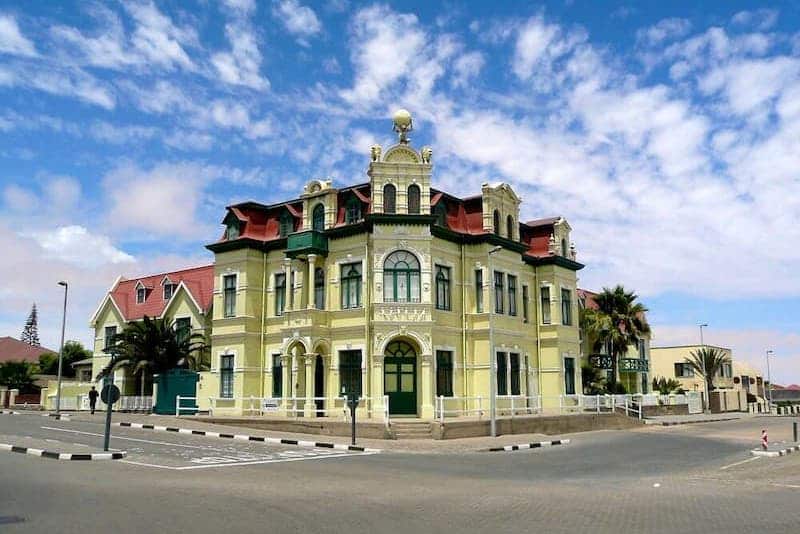
The Hohenzollern Building on a street corner in Swakopmund, German colonial architecture under a big sky

Swakopmund Safari

Atlantic Coast · Namibia

Swakopmund is Namibia’s coastal town on the Atlantic, where sand dunes surround streets of German colonial architecture — Lutheran churches and half-timbered houses. It is known as the adventure capital of southern Africa. From here, the experiences on offer include dolphin cruises at Walvis Bay with pelicans and seals alongside the boat, 4×4 excursions to Sandwich Harbour where giant dunes run straight into the ocean, quad biking, sandboarding and dune hiking.

On Crisscross safaris Swakopmund is the coastal interlude between the desert interior and Sossusvlei — usually two nights, at the beachside Strand Hotel with ocean views or at Swakopmund Sands. A day is typically given to the Walvis Bay lagoon and Sandwich Harbour, with oysters and sparkling wine served among the dunes, and time to wander the town’s museums, markets and restaurants at leisure before the journey south.

See Swakopmund safaris
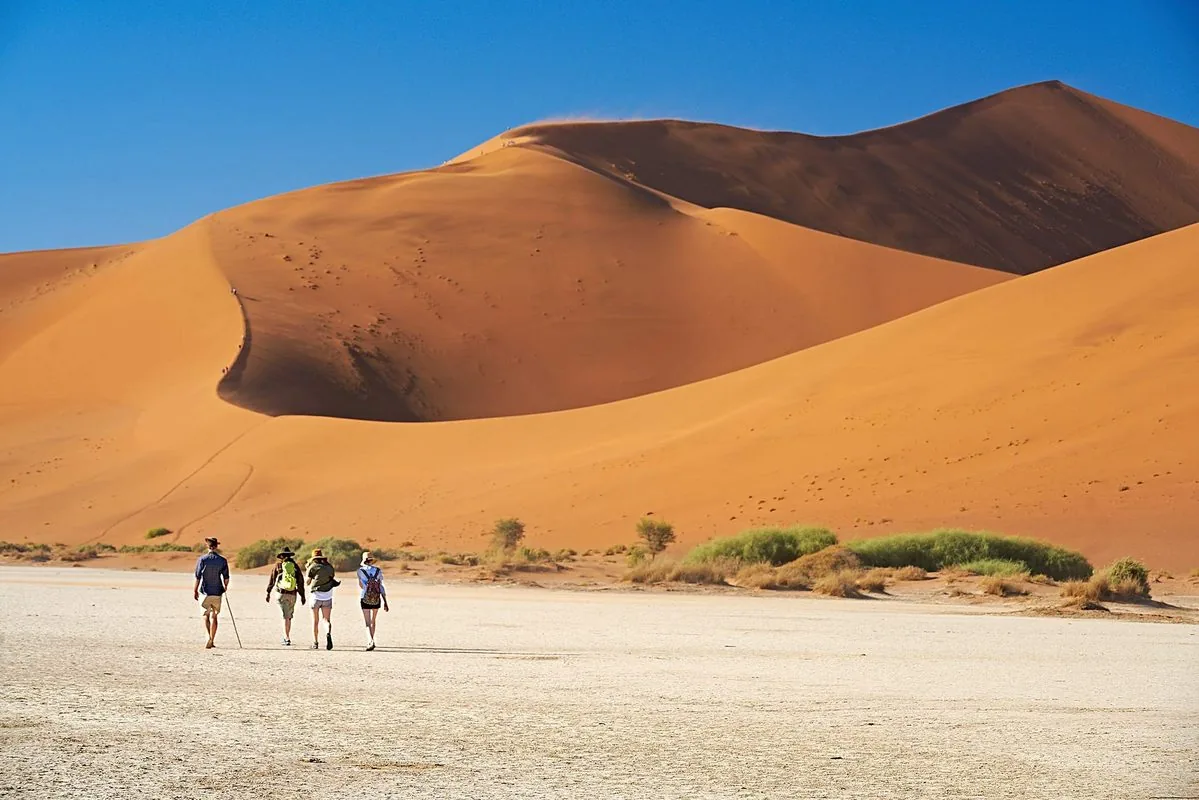
Walkers crossing the pan at the foot of Big Daddy dune, Sossusvlei

Sossusvlei Safari

Namib-Naukluft National Park · Namibia

Sossusvlei, in the Namib-Naukluft National Park, is a sea of towering orange sand dunes — described on the Crisscross site as the most beautiful sea of sand dunes anywhere in southern Africa. Its landmarks are Dune 45 and Big Daddy, among the highest dunes in the world; Deadvlei, a white clay basin holding petrified trees estimated to be over 1,000 years old; and Sesriem Canyon. Oryx and ostrich are the wildlife most often seen among the dunes.

Crisscross guests reach Sossusvlei through the Namib-Naukluft, past the Tropic of Capricorn and the apple pie at Solitaire, and spend a full day among the dunes, climbing Big Daddy and walking Deadvlei at the best light. Stays are at Le Mirage Resort & Spa or at Desert Quiver Camp, five kilometres from the Sossusvlei gate. An optional sunrise hot-air balloon safari, ending with a champagne breakfast, is offered on several itineraries.

See Sossusvlei safaris
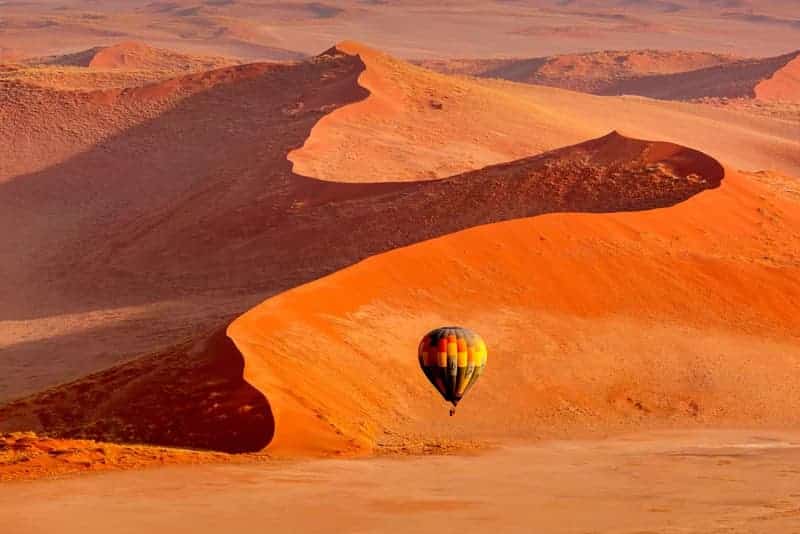
A hot-air balloon drifting over the dunes of the Namib-Naukluft National Park at sunrise

Namib-Naukluft Safari

Namib Desert · Western Namibia

The Namib-Naukluft National Park protects the heart of the Namib Desert in western Namibia. Inside its boundaries are the Sossusvlei sand dunes and the Naukluft Mountains, and the Crisscross routes through it pass some of the country’s signature landmarks: the Kuiseb Canyon, the Tropic of Capricorn crossing, the settlement of Solitaire, and, near Walvis Bay, Sandwich Harbour, where giant sand dunes run straight into the ocean. Gemsbok — the oryx — is the animal to watch for on the open gravel plains.

For Crisscross guests the Namib-Naukluft is both a destination and the great connecting landscape of a Namibia safari: the drive south from Swakopmund to Sossusvlei runs through it, and days at Sossusvlei, Deadvlei, Dune 45 and Sesriem Canyon are spent inside the park. Balloon safaris over the desert at sunrise, quad biking among the dunes and the 4×4 run to Sandwich Harbour all take place within it on Crisscross itineraries.

See Namib-Naukluft safaris
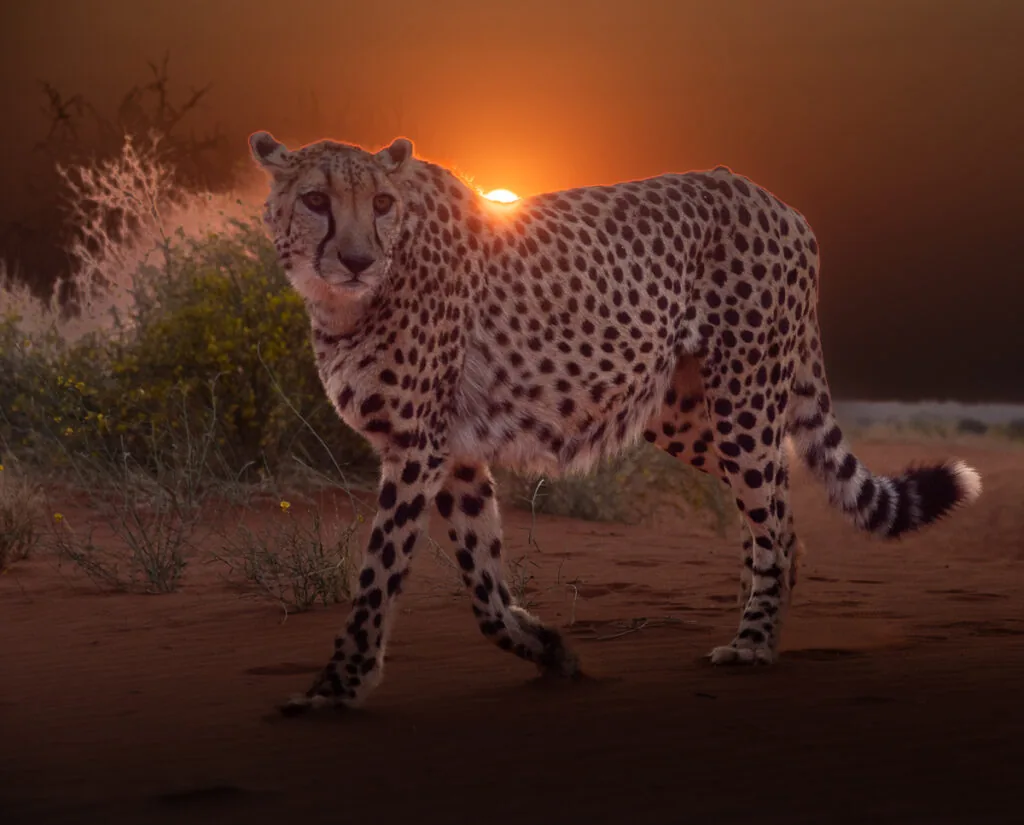
A cheetah walking across red Kalahari sand at sunset, rim-lit by the low sun

Kalahari Safari

Southern Namibia

Namibia’s Kalahari is a land of empty horizons, piercing blue desert skies and red dunes — in the site’s words, the homeland of the San people and one of southern Africa’s great open spaces. Wildlife here includes gemsbok (oryx) and sable, springbok, zebra, ostrich and meerkats. Two experiences define it on Crisscross routes: a sundowner drive and cheetah excursion among the red dunes, run with the Cheetah Conservation Fund, bringing guests close to the fastest land animal on Earth; and a walk with the San, who show how to collect water in ostrich eggs, set traps, use plants for medicine and make pearl and ostrich jewellery.

Most Crisscross Namibia journeys end in the Kalahari, at Bagatelle Kalahari Game Ranch — the Bagatelle Boutique Farmhouse — for one or two nights before the return to Windhoek. It is a soft landing after the desert circuit: red dunes, cheetahs at sundown, and the San walk on the final morning.

See Kalahari safaris

Water in the desert

Southern Africa

Botswana

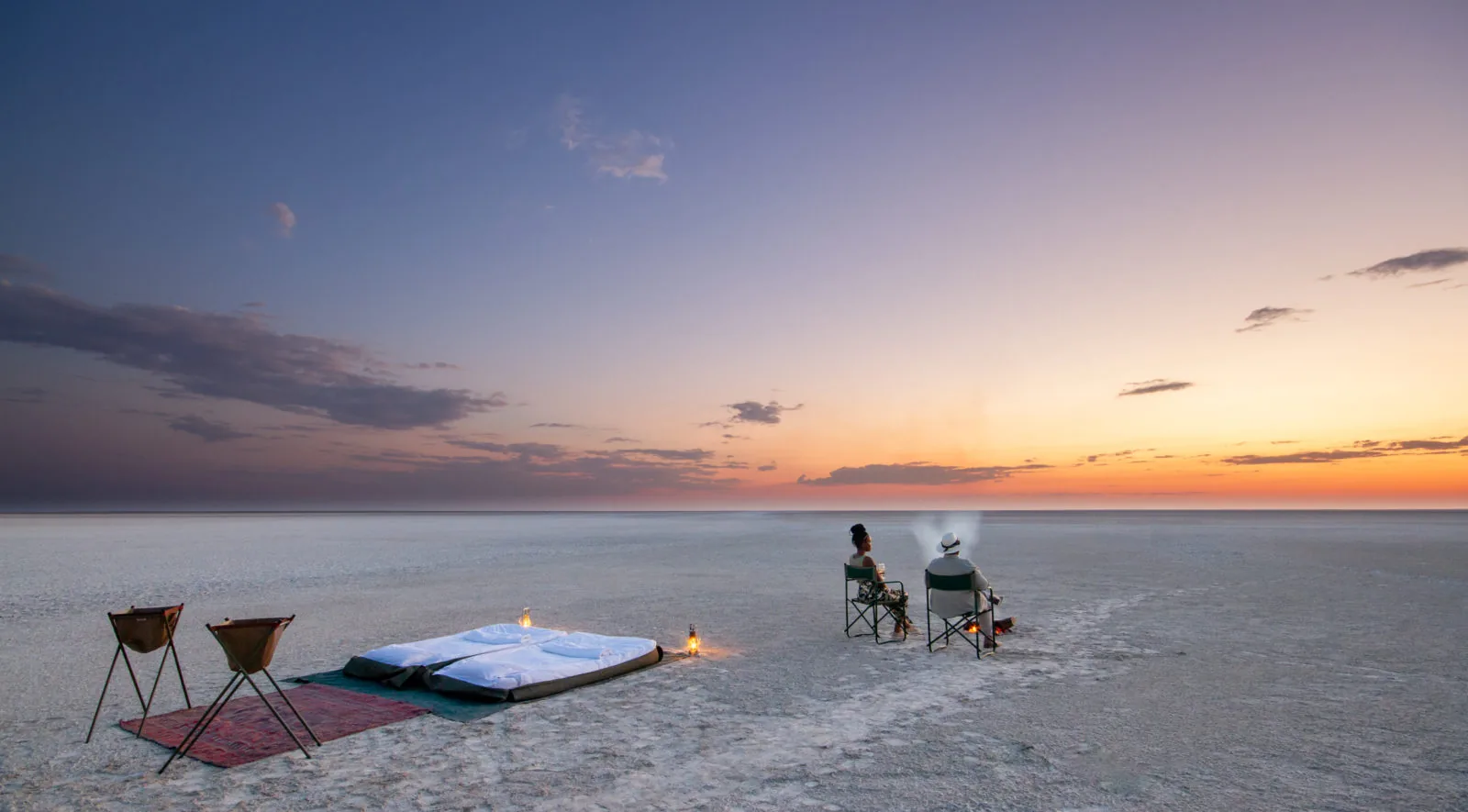
A luxury sleep-out on the Makgadikgadi Pans: beds made up on the white salt pan at sunset, with lanterns and a small fire, Botswana

Botswana Safari

Southern Africa

Botswana is a landlocked country in Southern Africa, bordered by Namibia to the west and north, Zambia to the northeast and South Africa to the south and southeast. Known for its stable democracy, rich culture and diverse ecosystems, it protects some of Africa’s greatest wildlife areas: the Okavango Delta, Moremi Game Reserve and Chobe National Park, with the Makgadikgadi Pans beyond. Its north is a world of rivers, floodplains and very large elephants.

Crisscross travels to Botswana in two styles. The 11-day Botswana Fly-In Safari links Leroo La Tau on the Boteti River, Camp Xakanaxa in Moremi, Camp Okavango in the Delta and Chobe Game Lodge by air, while the 8-day Botswana Mobile Safari moves through Chobe, Savuti, Moremi and the Delta with a private guide, vehicle, chef and camp team in Meru-style en-suite tents. Botswana also combines with Victoria Falls and Namibia on the 24-day three-country journey.

See Botswana safaris
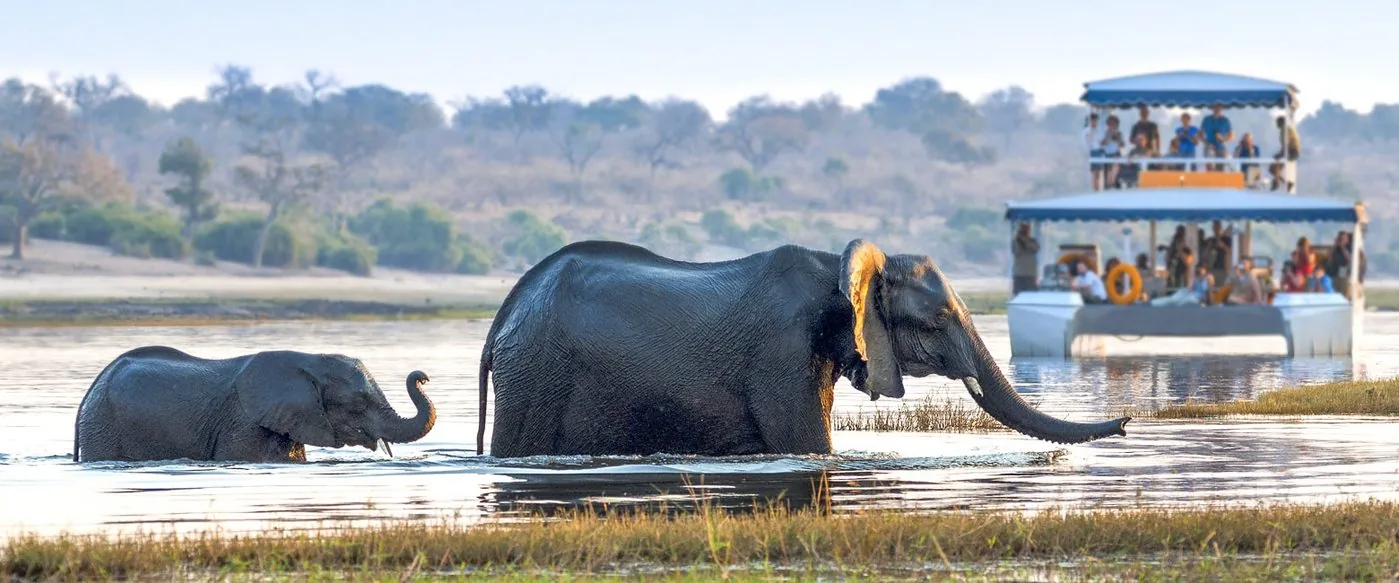
Elephants crossing the Chobe River in Botswana, watched from a safari boat

Chobe Safari

Chobe National Park · Northern Botswana

Chobe National Park in northern Botswana is described on the Crisscross site as Botswana’s best national park for watching wildlife. It contains two of the country’s most rewarding areas: the Chobe Riverfront, where wildlife comes down to drink at the riverbank, and Savuti, famous for its lions and leopards. Chobe is above all elephant country — home to the largest concentration of elephants in Africa, with big herds of really big elephants, alongside buffalo, lion, leopard, African wild dog, giraffe, sable and roan antelope.

Crisscross guests experience Chobe from the water and the land: game drives in open-sided 4×4s, including electric-powered vehicles, and river viewing from solar-electric safari boats on the Chobe River, watching elephants, hippos, crocodiles and birds. Stays are at Chobe Game Lodge, inside the park on the river, or in the mobile safari’s private camps around Kasane and Savuti — where a full day can be spent tracking lion prides and elephant herds across the Savuti Marsh.

See Chobe safaris
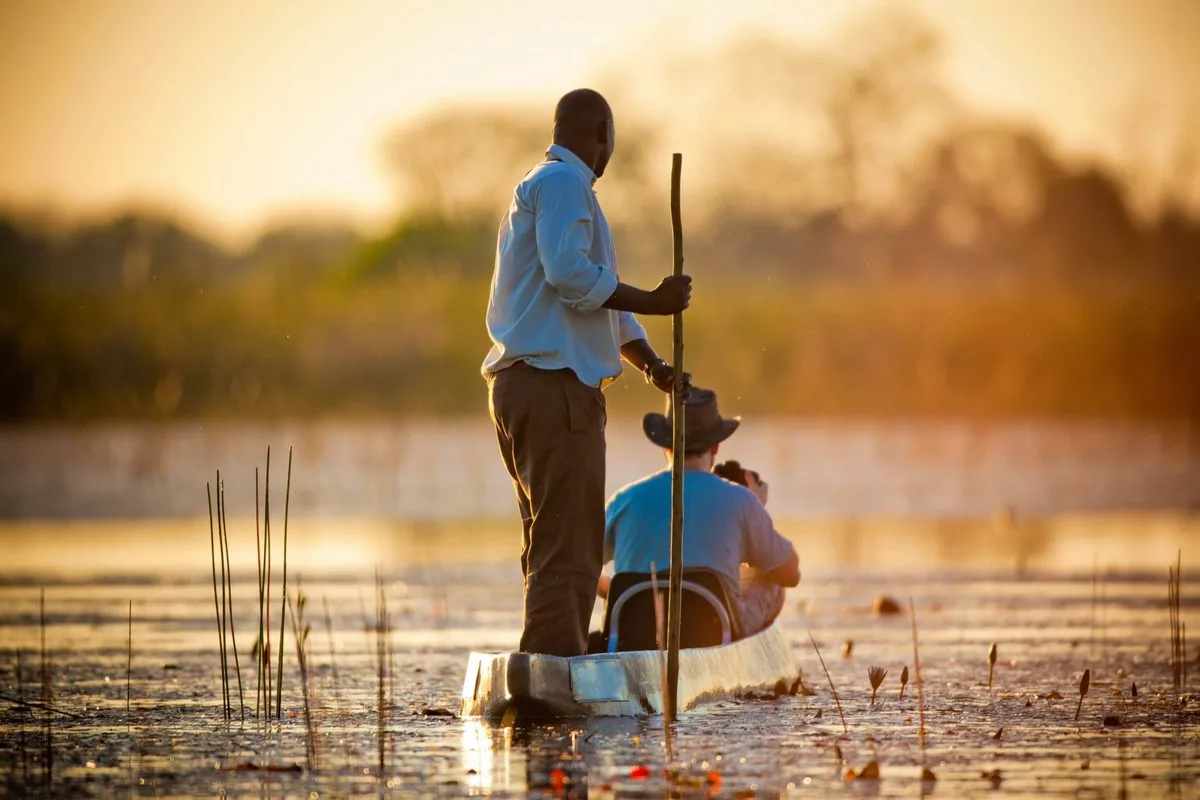
A guide poling a mokoro with a guest through the Okavango Delta at sunset

Okavango Delta Safari

Northern Botswana

The Okavango Delta in northern Botswana is the world’s largest inland delta — a maze of deep lagoons, large lakes, islands and hidden, meandering channels where the Okavango River spreads into the Kalahari sands. Its wildlife, seen from the water and on island walks, includes giraffes, elephants, crocodiles, hippos, zebras and buffalo, and all three big cats are often seen. Birding is spectacular, and the fishing is for bream and tiger fish.

The Delta is explored the slow way on Crisscross safaris: by motorboat through reed-lined waterways, in a traditional mokoro dugout canoe at eye level with the water lilies, and on guided bush walks on the islands. The fly-in safari stays at Camp Okavango, where game drives by vehicle are not possible and the water is the whole point — with a scenic helicopter flight over the Delta during the stay. The mobile safari camps in the rarely visited NG32 area for walking and mokoro days.

See Okavango Delta safaris
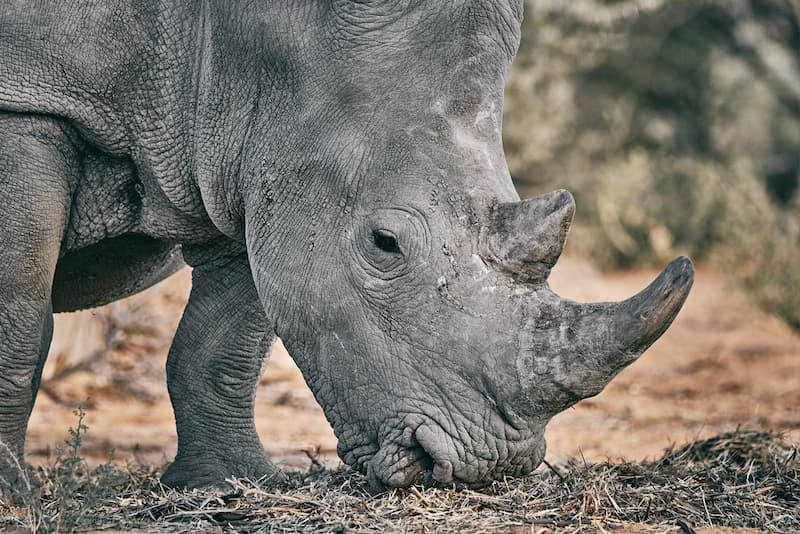
A white rhino grazing at close range in Moremi Game Reserve

Moremi Safari

Moremi Game Reserve · Okavango Delta, Botswana

Moremi Game Reserve, in the eastern Okavango Delta, is described on the Crisscross site as representing all that’s good about the Okavango Delta. Its habitats run from ancient riverine forest and open savannah to serpentine channels and seasonal floodplains, giving a year-round land-and-water game-viewing experience in open 4×4s and powerboats. Hippos and crocodiles hold the water; on dry land there are elephants, big cats, buffalo, giraffe, wildebeest, kudu and lechwe — and the Big Five is always a possibility.

Crisscross flies guests into Moremi from Kasane, landing with a bird’s-eye view of the Delta, to stay at Camp Moremi or Camp Xakanaxa, both tented camps inside the reserve, with guided game drives and boat safaris on the Xakanaxa Lagoon and channels. On the mobile safari, Moremi is reached by road from Savuti, camping near water channels and mopane woodland where elephants, leopards and painted dogs are common, with an afternoon mokoro excursion to finish.

See Moremi safaris

The smoke that thunders

Southern Africa

Zimbabwe & Victoria Falls

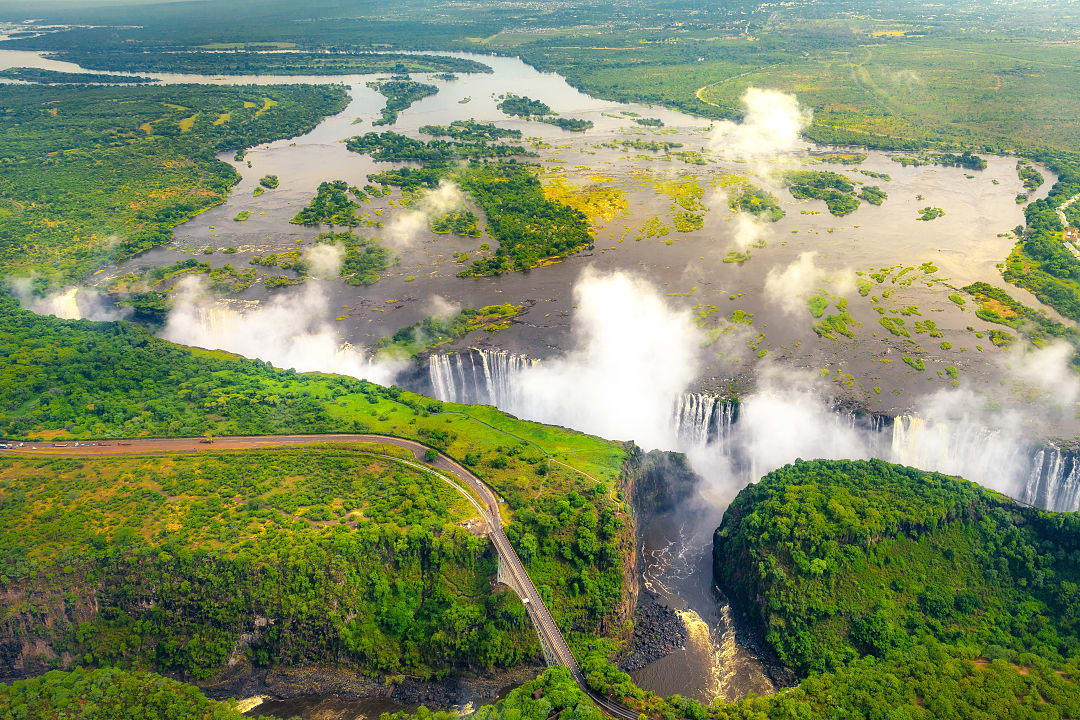
Aerial view of Victoria Falls and the Zambezi River

Victoria Falls Safari

Zambezi River · Zimbabwe

Victoria Falls, on the Zambezi River at the town of the same name in Zimbabwe, is one of the great natural wonders of Africa. Locals call it Mosi-oa-Tunya, “the smoke that thunders”: you can hear the thundering water before you see it, a massive curtain of water cascading down and filling the air with mist. Trails lead to panoramic views from various viewpoints, and the town of Victoria Falls is the gateway to the falls, with views from close to town among the best anywhere.

On Crisscross journeys the Falls open or close a safari. The 24-day Zimbabwe, Botswana & Namibia Safari stays at the Palm River Hotel on the Zambezi, four kilometres from the falls, while the 14-day Private Namibia & Zimbabwe Safari ends at The Royal Livingstone, on the banks of the Zambezi in Mosi-oa-Tunya National Park, a short walk from the falls, with giraffe, zebra and antelope in the grounds.

See Victoria Falls safaris
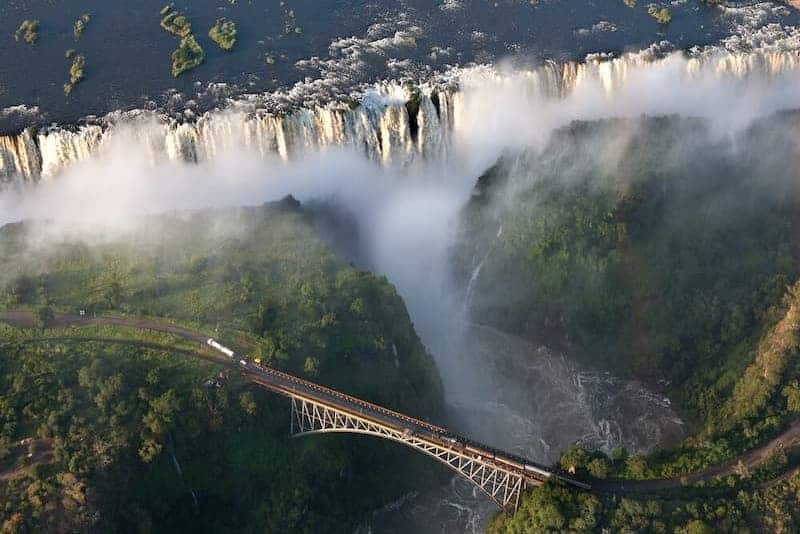
Aerial view of Victoria Falls and the Victoria Falls Bridge over the Zambezi gorge

Zimbabwe Safari

Southern Africa

For Crisscross, Zimbabwe means Victoria Falls. The town of Victoria Falls is the gateway to the magnificent falls — Mosi-oa-Tunya, “the smoke that thunders” — and the views from close to town are among the best anywhere. The experience begins before the falls are even visible, with the thunder of the water, and then a massive curtain of water cascading down through its own mist, seen from trails and panoramic viewpoints.

Crisscross builds Zimbabwe into two journeys. On the 24-day Zimbabwe, Botswana & Namibia Safari, the falls come early, with a stay at the Palm River Hotel on the Zambezi River, four kilometres from the falls, before the road leads on to Chobe and Namibia. On the 14-day Private Namibia & Zimbabwe Safari they are the finale: The Royal Livingstone, inside Mosi-oa-Tunya National Park a short walk from the falls, where giraffe, zebra and antelope wander the grounds, before departure from Victoria Falls International Airport.

See Zimbabwe safaris

East Africa’s classic circuit

East Africa

Kenya

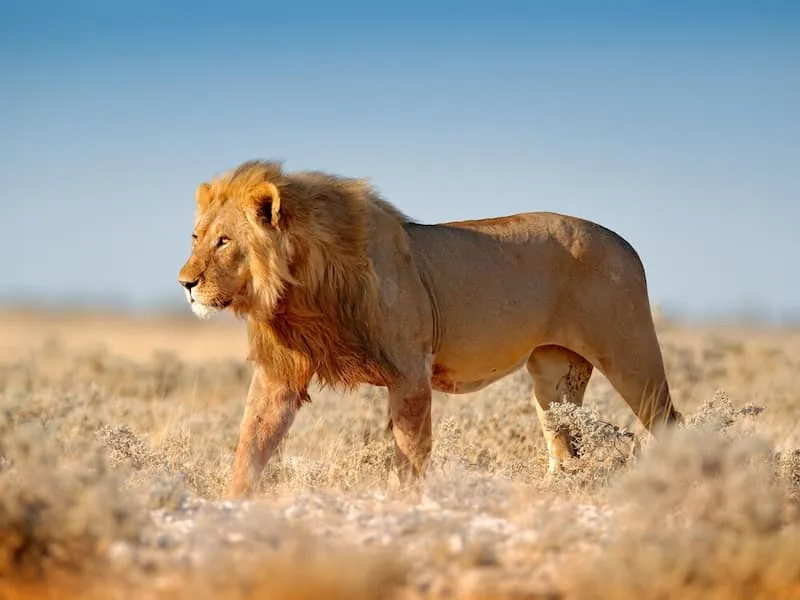
A male lion walking through dry grassland under a clear blue sky in the Masai Mara

Kenya Safari

East Africa

Kenya, in East Africa, is bordered by the Indian Ocean to the southeast and by Somalia, Ethiopia, South Sudan, Uganda and Tanzania. It is known for stunning landscapes, rich wildlife and vibrant culture across very different regions — savannah, mountains, desert and coast. Its safari names are some of Africa’s most famous: the Masai Mara, Amboseli under Kilimanjaro, Lake Nakuru in the Great Rift Valley, the Laikipia plateau at Ol Pejeta and Mount Kenya, and the northern frontier of Samburu.

Crisscross offers Kenya three ways. The 4-day Magic of the Masai Mara is a focused Big Five trip from Nairobi. The 6-day Classic Kenya Safari links Amboseli, Lake Nakuru and the Mara for families. And the 12-day Luxury Kenya Safari by Road is the full circuit — Nairobi, Amboseli, Mount Kenya, Samburu, Ol Pejeta, Lake Nakuru and three nights in the Mara — travelling by road with tented camps and lodges such as Ol Tukai, Samburu Intrepids, Sweetwaters Serena and Entim Mara.

See Kenya safaris
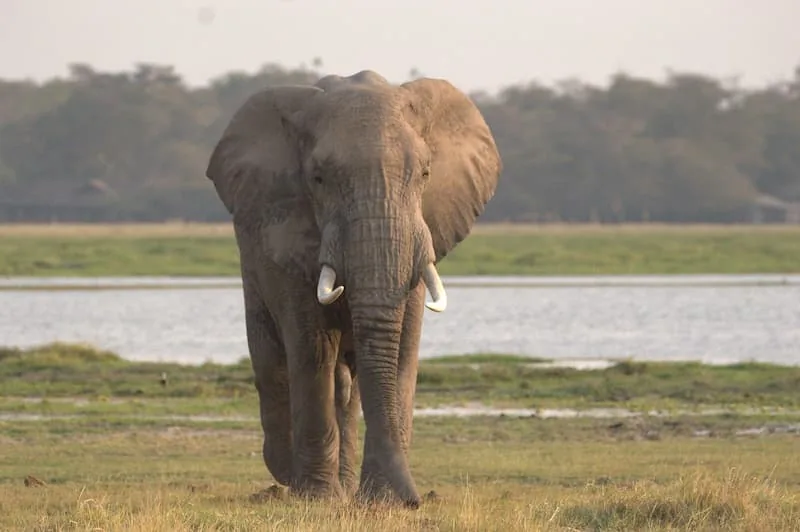
An elephant walking towards the camera across the grassland of the Masai Mara, a river behind

Masai Mara Safari

South-western Kenya

The Masai Mara in southwestern Kenya is the country’s famed wildlife area — golden grassland plains dotted with acacia, and what Crisscross calls Kenya’s richest concentration of wildlife. It is Big Five country: lion, leopard, buffalo, rhino and elephant, with cheetahs, hyenas, giraffes, zebras and wildebeest across the plains. From July to August the Great Wildebeest Migration reaches the Mara River, and a visit to a local Maasai village gives insight into the way of life of the people whose name the reserve carries.

The Mara is the climax of every Crisscross Kenya safari. Days run on early morning and late afternoon game drives, with the option of a full day out with picnic lunches, and on the luxury road safari, a hot-air balloon flight over the plains. Guests stay in tented camps such as Entim Mara on the 12-day journey, ending each trip with a sunrise drive as predators finish the night’s hunting.

See Masai Mara safaris
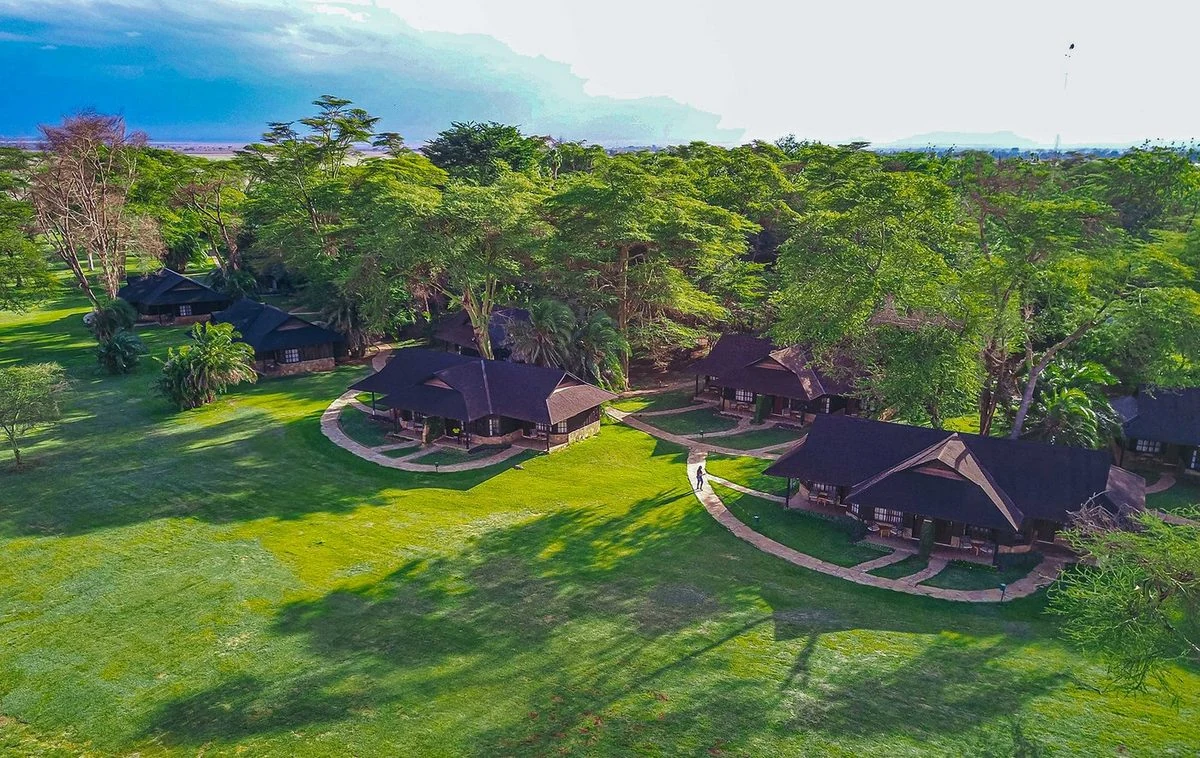
Ol Tukai Lodge cottages and lawns in Amboseli National Park

Amboseli Safari

Amboseli National Park · Southern Kenya

Amboseli National Park in southern Kenya is famous for two things together: great herds of elephants, and the backdrop behind them — Mount Kilimanjaro, the highest mountain in Africa, with its snow caps. Elephants reliably move to and from the marshy swamps, feeding among the large acacia trees of the expansive plains. Buffalo, wildebeest, zebra and gazelle are all very common, lions are the easiest of the big cats to spot, and more than 420 species of birds are recorded. Four of the Big Five are present; rhinos are absent.

On Crisscross journeys Amboseli comes early, with morning and late afternoon game drives and a late drive running to sunset, when Kilimanjaro often clears. The Classic Kenya Safari explores it on a full day, while the Luxury Kenya Safari by Road stays two nights at Ol Tukai Lodge. The site promises “exceptional close encounters” here — elephants at close range, photographed against the mountain, are the defining image.

See Amboseli safaris
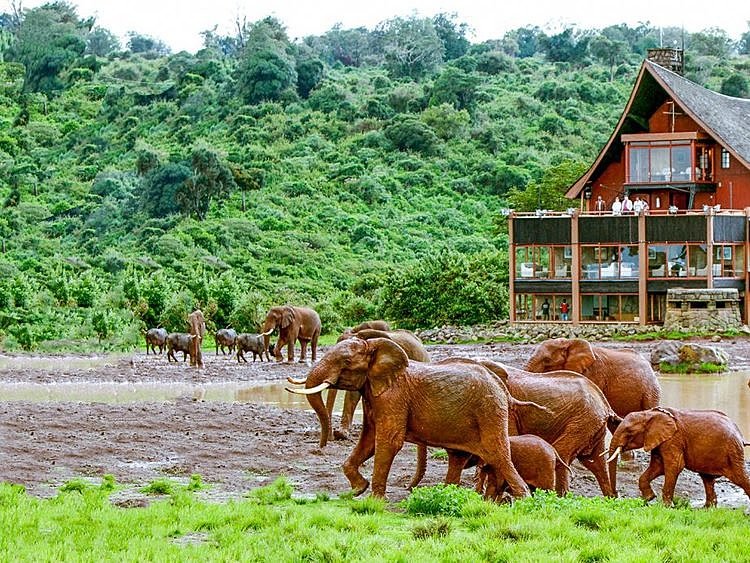
Elephants at the floodlit waterhole in front of The Ark Lodge, Aberdare

Mt Kenya Safari

Central Kenya

Mount Kenya, in central Kenya, is described on the Crisscross site as one of the most impressive landscapes in East Africa. The safari experience here is different in kind from the plains parks: on the Luxury Kenya Safari by Road, guests stay at The Ark Lodge, a lodge built for watching a waterhole. The wildlife comes to you — afternoon and night game viewing happens from the lodge precincts, as animals arrive to drink at the nearby waterhole after dark.

Mt Kenya is a one-night pause on the 12-day road journey, between Amboseli and the northern parks, reached on the drive that crosses the equator at Nanyuki on the way to Samburu. It offers a forested, mountain contrast to the savannah either side of it, and a quiet night of waterhole viewing from the lodge before the road turns north. It appears only on that itinerary, as a deliberately gentle interlude in a long and varied circuit.

See Mt Kenya safaris
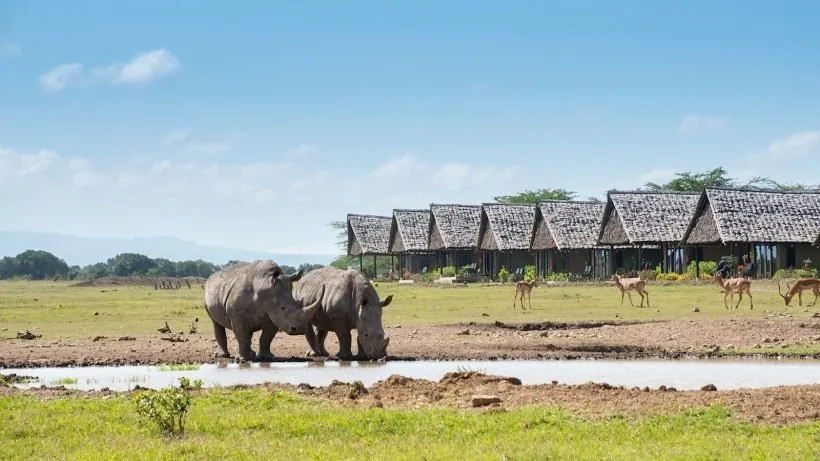
Rhinos at the waterhole in front of Sweetwaters Serena Camp, Ol Pejeta

Ol Pejeta Safari

Laikipia Plateau · Central Kenya

Ol Pejeta Conservancy, on the Laikipia plateau in central Kenya, is the largest rhino sanctuary in East Africa and home to some of the last white rhinos. It is also a sanctuary for one of Kenya’s populations of black rhinos, and its afternoon game drives combine rhino viewing with the plains game of the plateau, in sight of Mount Kenya.

Crisscross includes Ol Pejeta on the 12-day Luxury Kenya Safari by Road, for one night between Samburu and Lake Nakuru, staying at Sweetwaters Serena Camp, a tented camp within the conservancy. The timing is deliberate: after the rare species of the northern frontier, Ol Pejeta gives the journey its rhino focus — both white and black rhino in a single conservancy — before the birdlife of the Rift Valley lakes. For guests whose priority is seeing rhino well and at close range, this is one of the strongest stops on the Kenya circuit.

See Ol Pejeta safaris
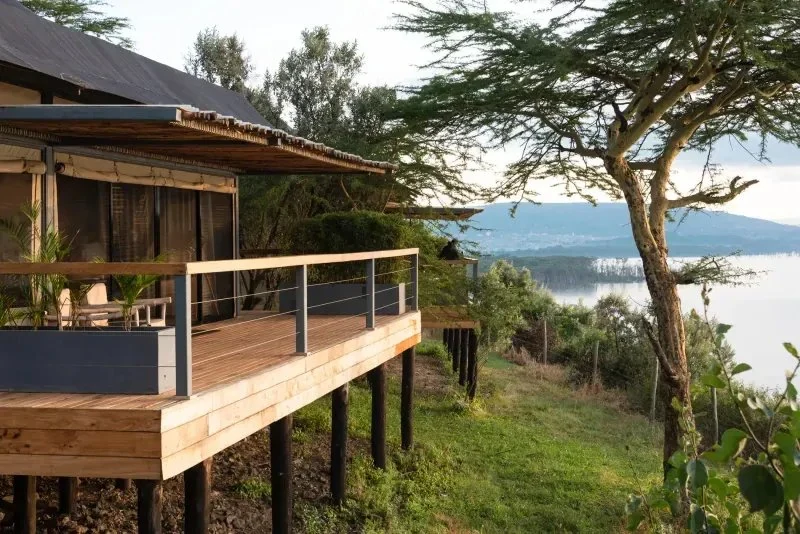
The Cliff’s stilted suite deck overlooking Lake Nakuru

Lake Nakuru Safari

Great Rift Valley · Kenya

Lake Nakuru National Park lies on the floor of the Great Rift Valley in Kenya and is, in the site’s words, a birdlife heaven. Great rocky escarpments tower over acacia forest, waterfalls, wooded hills and euphorbia trees, and the lake is famous for the pink flamingos that flock here, alongside pelicans, cormorants, kingfishers, ostriches, storks, herons and eagles — though the site notes honestly that flamingo numbers have declined. On land, the park holds the rare Rothschild’s giraffe and is a sanctuary for one of Kenya’s largest populations of black rhinos, with white rhinos along the lakeshore.

Both the Classic Kenya Safari and the Luxury Kenya Safari by Road give Nakuru a late afternoon of game viewing and bird watching, reached by a drive through the Great Rift Valley — on the luxury journey via a glimpse of Thomson’s Falls, the highest waterfall in Kenya. The luxury stay is at The Cliff, high above the lake.

See Lake Nakuru safaris
Samburu Intrepids luxury tent raised under thatch, Samburu

Samburu Safari

Samburu National Reserve · Northern Kenya

Samburu National Reserve is Kenya’s wild northern frontier — a rugged, semi-arid landscape of acacia bush and doum palms along the life-giving Ewaso Nyiro River. It feels rawer and quieter than Kenya’s southern parks, and it rewards visitors with animals found almost nowhere else: the “Special Five” — Grevy’s zebra, reticulated giraffe, Somali ostrich, long-necked gerenuk and Beisa oryx.

Elephants gather along the river, and lion, leopard and cheetah are regularly seen. This is also the homeland of the Samburu people, close relatives of the Maasai, whose culture is woven into any visit here. On the Luxury Kenya Safari by Road, guests stay at Samburu Intrepids, a tented camp on the banks of the Ewaso Nyiro.

See Samburu safaris

The migration country

East Africa

Tanzania

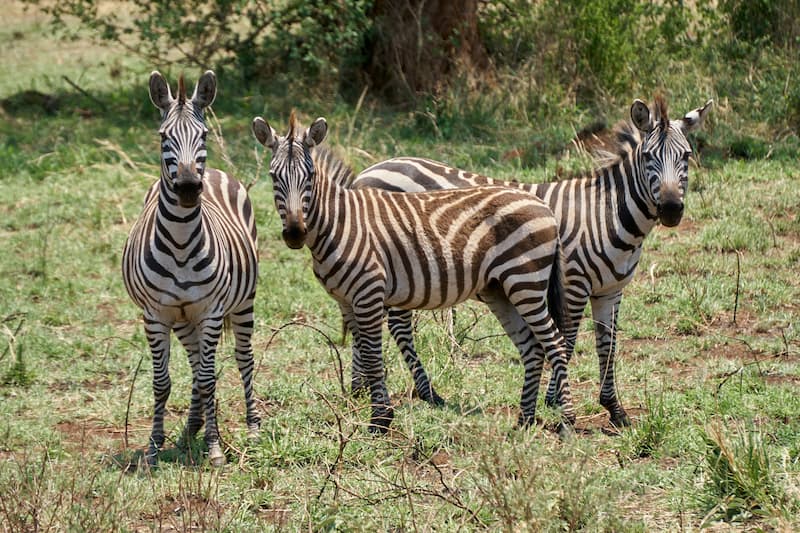
Zebras on the grassland of the Serengeti, Tanzania

Tanzania Safari

East Africa

Tanzania, in East Africa, is bordered by Kenya and Uganda to the north, Rwanda, Burundi and the Democratic Republic of Congo to the west, Zambia, Malawi and Mozambique to the south, and the Indian Ocean to the east. It is known for stunning landscapes, rich wildlife and diverse cultures — and for the Serengeti, the Ngorongoro Crater, Tarangire and the island of Zanzibar, with Kilimanjaro on its northern border.

Crisscross’s Tanzania journeys are its luxury migration safaris, built around the Great Migration’s calendar. The 7-day Serengeti Migration Safari follows the herds to the Mara River crossings in the north; the 6-day Ndutu Migration Safari times the calving season in the south; and the 11-day safaris — the Tanzania Honeymoon and the Big Five Safari & Zanzibar — link Tarangire, Ngorongoro, Ndutu and the central Serengeti before flying to Zanzibar’s beaches. Stays are at Serena and Four Seasons lodges, Lake Ndutu Luxury Tented Lodge and beach resorts such as Riu Palace.

See Tanzania safaris
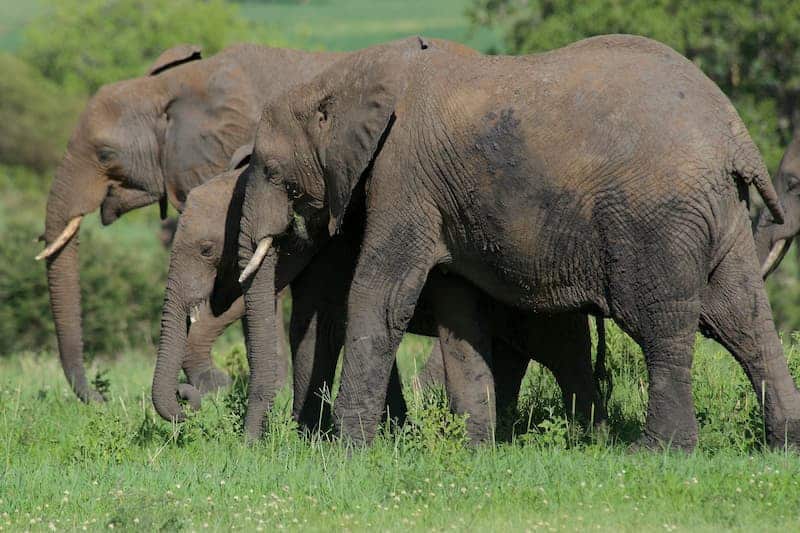
Elephants in Tarangire National Park

Tarangire Safari

Tarangire National Park · Northern Tanzania

Tarangire National Park in northern Tanzania is known for its large elephant herds and its iconic baobab trees; the Crisscross site describes it as having the highest elephant population in Tanzania. Game drives here spot lions, giraffes and zebras among the baobabs and riverine woodland, in a park that is quieter than the Serengeti and Ngorongoro it is usually combined with.

Tarangire opens the two 11-day Crisscross Tanzania safaris — the Honeymoon and the Big Five Safari & Zanzibar — as the first full safari day after the arrival night in Arusha. Guests stay at Elephant Springs, a tented camp in the park, and game-drive among the elephant herds before moving on to the Ngorongoro Crater. It sets the tone for the journey: big elephants, ancient trees, and a park experienced at a gentle pace before the migration country of Ndutu and the Serengeti.

See Tarangire safaris
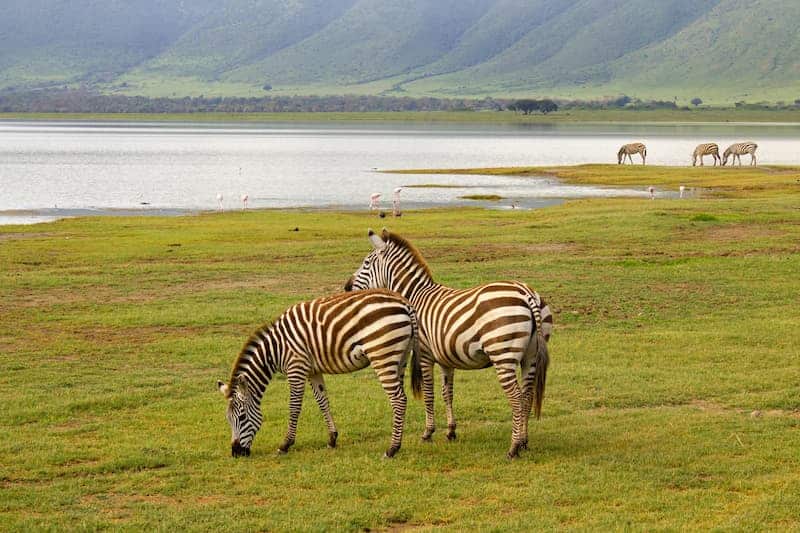
A zebra in the Ngorongoro Crater

Ngorongoro Crater Safari

Ngorongoro Conservation Area · Northern Tanzania

The Ngorongoro Crater in northern Tanzania is the largest intact volcanic caldera on Earth and a UNESCO World Heritage Site, known for its incredible density of wildlife, including the Big Five. A game drive descends from the rim to the crater floor, where lions, elephants and rhinos are seen in a self-contained ecosystem, and lunch is a picnic by the hippo pool. The rim itself, at altitude, offers stunning views before the descent.

Crisscross pairs Ngorongoro with the Serengeti and Ndutu on every Tanzania itinerary. Guests sleep on or near the rim — at Ngorongoro Serena Lodge, perched on the rim with panoramic views, or at Gran Melia Ngorongoro — and descend into the crater for a full day. On the migration safaris it bookends the Serengeti; on the honeymoon and Big Five journeys it is the third day, a concentrated Big Five experience between Tarangire’s elephants and the Ndutu calving plains.

See Ngorongoro Crater safaris
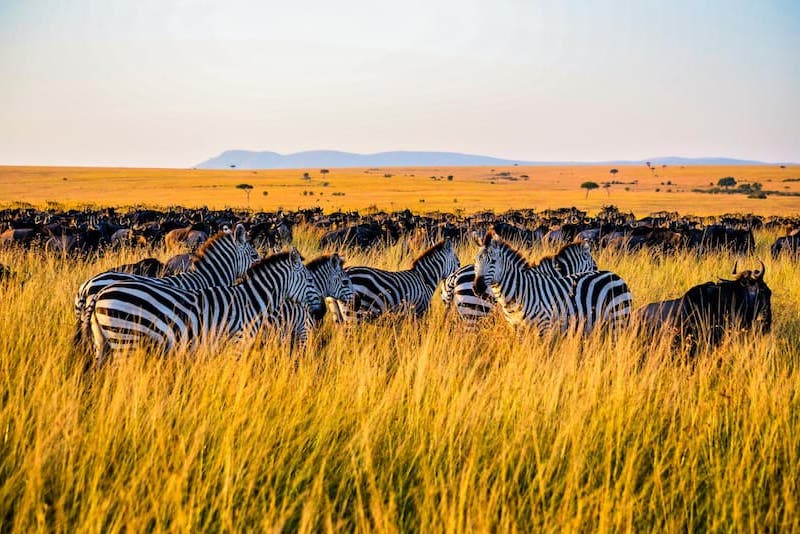
Zebra and wildebeest of the Great Migration in golden light at Ndutu

Ndutu Safari

Ngorongoro Conservation Area · Southern Serengeti, Tanzania

Ndutu, in the Ngorongoro Conservation Area on the southern edge of the Serengeti ecosystem in Tanzania, is where the Great Migration spends its calving season. Across its rolling plains, vast herds of wildebeest and zebra graze, move and give birth to their young — thousands of animals completing the full circle of the migration — and the newborns attract predators: lions, cheetahs and hyenas, with excellent predator sightings in season.

Crisscross times its Ndutu journeys to the calving. The 6-day Ndutu Migration Luxury Safari gives the area two full days from Lake Ndutu Luxury Tented Lodge, and the 11-day Honeymoon and Big Five safaris stay two nights at the same lodge between Ngorongoro and the central Serengeti. Days are full-day game drives following the herds. Ndutu is the intimate end of the migration story — not the river crossings, but the births that start it, watched from a luxury tented lodge on the plains.

See Ndutu safaris
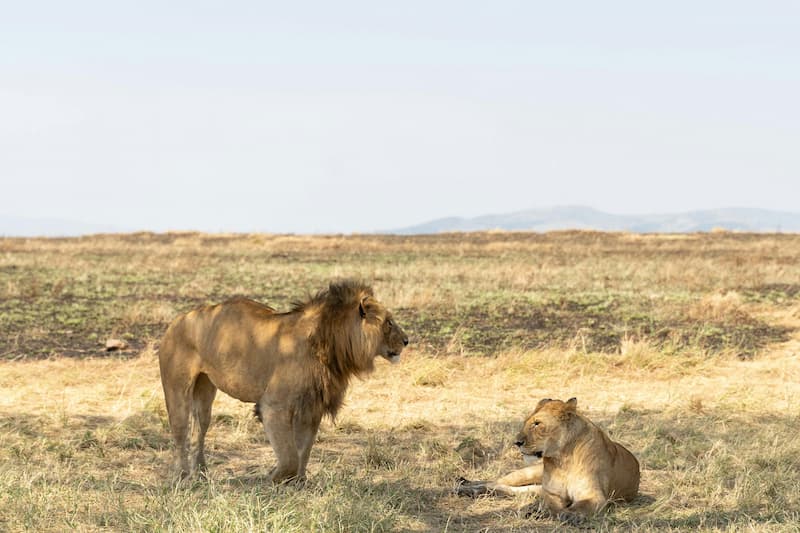
A pair of lions in the Central Serengeti

Serengeti Safari

Northern Tanzania

The Serengeti in northern Tanzania is the iconic safari destination: endless savannah with plentiful wildlife roaming it, and the stage for the Great Migration of wildebeest and zebra. The central Serengeti offers abundant resident game year-round — grazing zebras, stalking lions, elephants, giraffes and the occasional leopard in a tree — while the northern Serengeti, around the Mara River at Kogatende, is where the herds cross the river with predators lurking nearby, an awe-inspiring sight in migration season.

Crisscross’s Serengeti stays are luxury lodges matched to the herds’ position: Serengeti Serena Lodge and the Four Seasons Safari Lodge in the central plains, and the tented Mara River Camp in the north for the crossings, where a hot-air balloon flight over the migration at Kogatende is offered. The dedicated migration safaris spend six to seven days following the movement; the honeymoons add two full central-Serengeti days, famous for big cats, before flying out to Zanzibar.

See Serengeti safaris
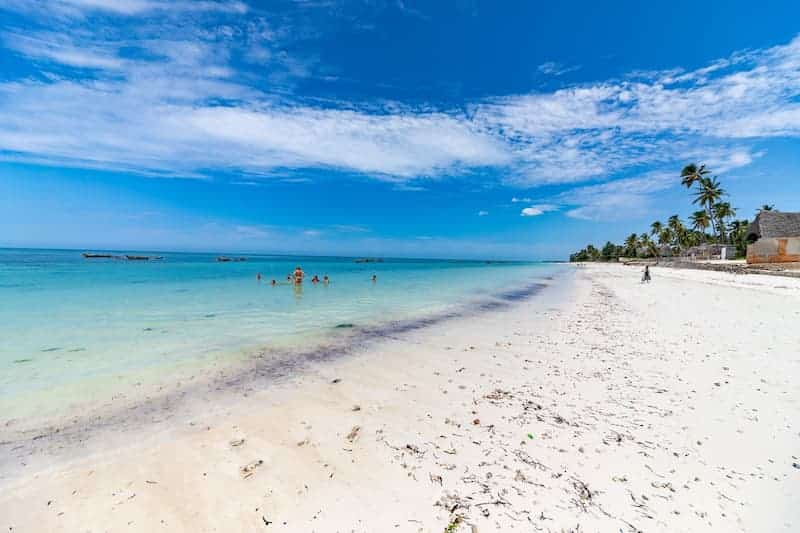
A white-sand beach on Zanzibar

Zanzibar

Indian Ocean · Tanzania

Zanzibar, the island archipelago off Tanzania’s Indian Ocean coast, is the exotic counterpoint to a mainland safari: historic sites, warm waters and white, palm-lined beaches. Stone Town is a UNESCO World Heritage Site of narrow streets and historic landmarks, and the island’s spice farms tell the story of Zanzibar’s spice trade, with fresh spices to taste.

Crisscross ends its two 11-day Tanzania journeys here, flying guests from the Serengeti to three nights on the north coast at Riu Palace Hotel or The Mora. The days are deliberately unhurried: relaxing on the white-sand beaches, a full-day Safari Blue excursion snorkelling in crystal-clear waters, exploring sandbanks and feasting on seafood on a remote island, and a guided morning in Stone Town and the spice farms. After Tarangire, Ngorongoro, Ndutu and the Serengeti, Zanzibar is the soft landing — safari first, island afterwards, in one journey.

See Zanzibar safaris
4.9/5 on SafariBookings
From 63 traveller reviews
Namibia Tourism Board Namibia Tourism Board
Registered with Namibia’s national tourism authority
TASA membership badge TASA member
Tourism and Safari Association of Namibia

Tell us where you want to go. We’ll draw the route.

Start with the safari planner — it takes two minutes, and there is no obligation. Or write to us the old way and tell us about the trip you have been picturing.